Cruises get planned years in advance, but ship itineraries can be changed overnight. So there’s some comfort behind the turmoil of the past few weeks that’s seeing cruise lines hastily alter course.
Officials are hoping there will be smoother sailing in the Caribbean following the air and sea disruptions caused by the U.S. strike on Venezuela. But President Donald Trump is still musing about moving against Colombia, Mexico and even Greenland. Meanwhile, unrest in Iran has more cruises shifting away from the Middle East. And the ongoing global tariff war is driving cruises out of China. Let’s take a look:
Caution in the Caribbean
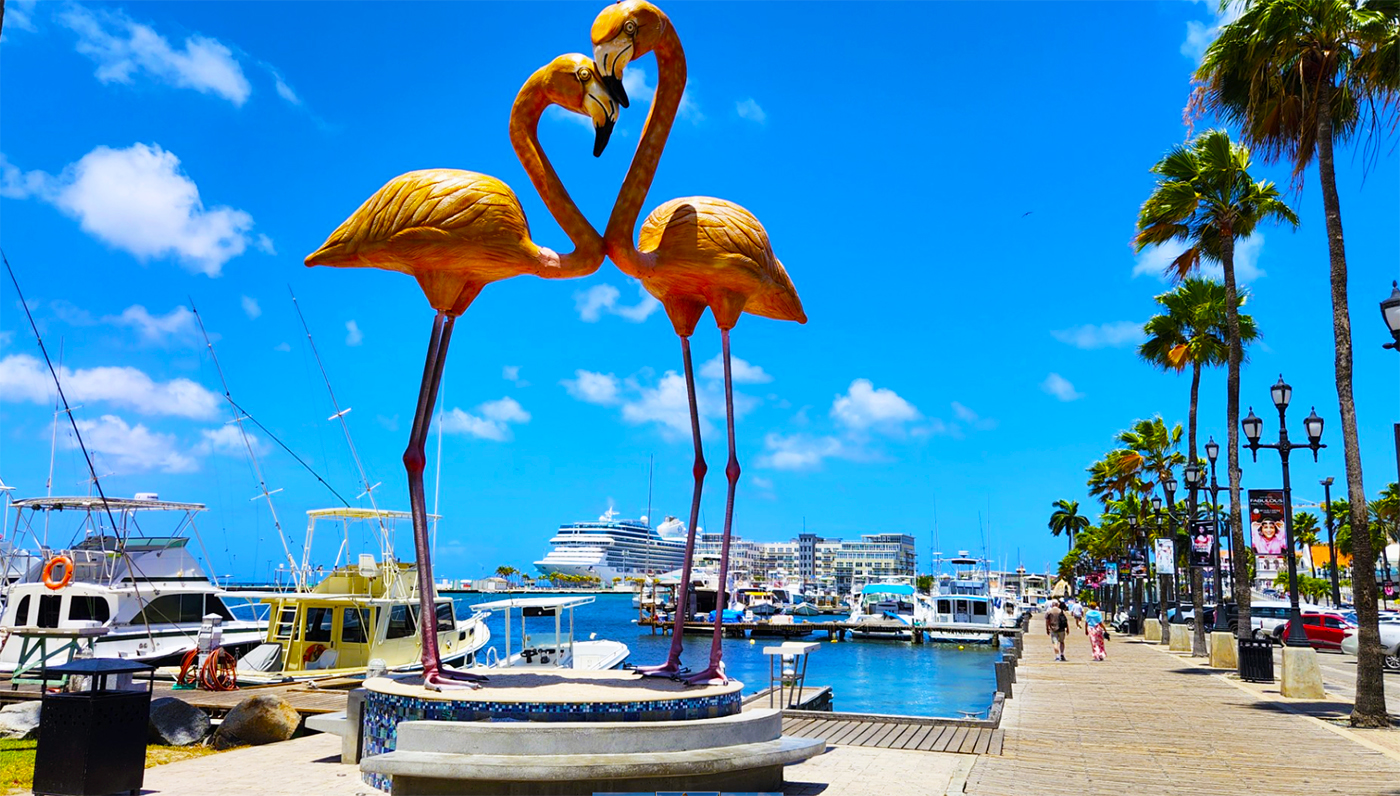
In the week following the U.S. action in Venezuela, Virgin Voyages replaced scheduled calls at Aruba and Curaçao with Barbados and St. Lucia. The biggest cruise disruption was due to flight cancellations to Puerto Rico, which left more than 48,000 passengers stranded, according to local media reports. The shutdowns also affected cruise destinations like St. Maarten, St. Thomas and Barbados, which saw delays in sailings by several cruise lines.
But Caribbean cruise ships are back on schedule and itineraries include the ABCs, Aruba, Bonaire and Curaçao, which are off the coast of Venezuela. Cruises have not docked in Venezuela for many years.
“At this time, cruise itineraries throughout the Caribbean are operating normally, although there may be some modifications to itineraries,” Michele Paige, CEO of the Florida-Caribbean Cruise Association told Seatrade Cruise News. “Cruise lines continue to work closely with global security experts and government authorities, actively monitoring planned routes and itineraries and making adjustments when necessary, with safety and security always remaining the top priority.”
Opting out of the Persian Gulf
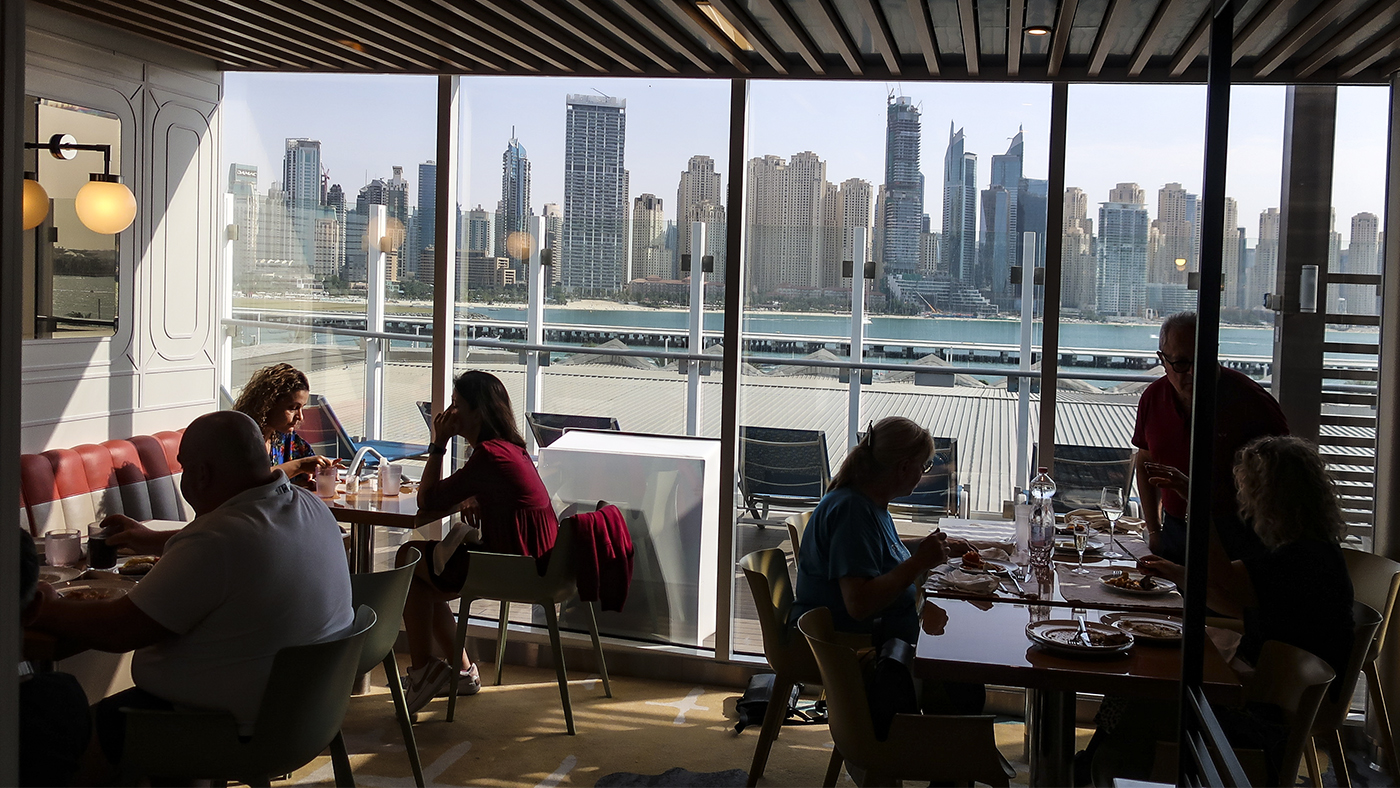
As tensions rise in Iran, Costa Cruises, AIDA Cruises, and MSC Cruises have now canceled or significantly altered their 2025-2026 Middle East itineraries and repositioning voyages due to regional security concerns.
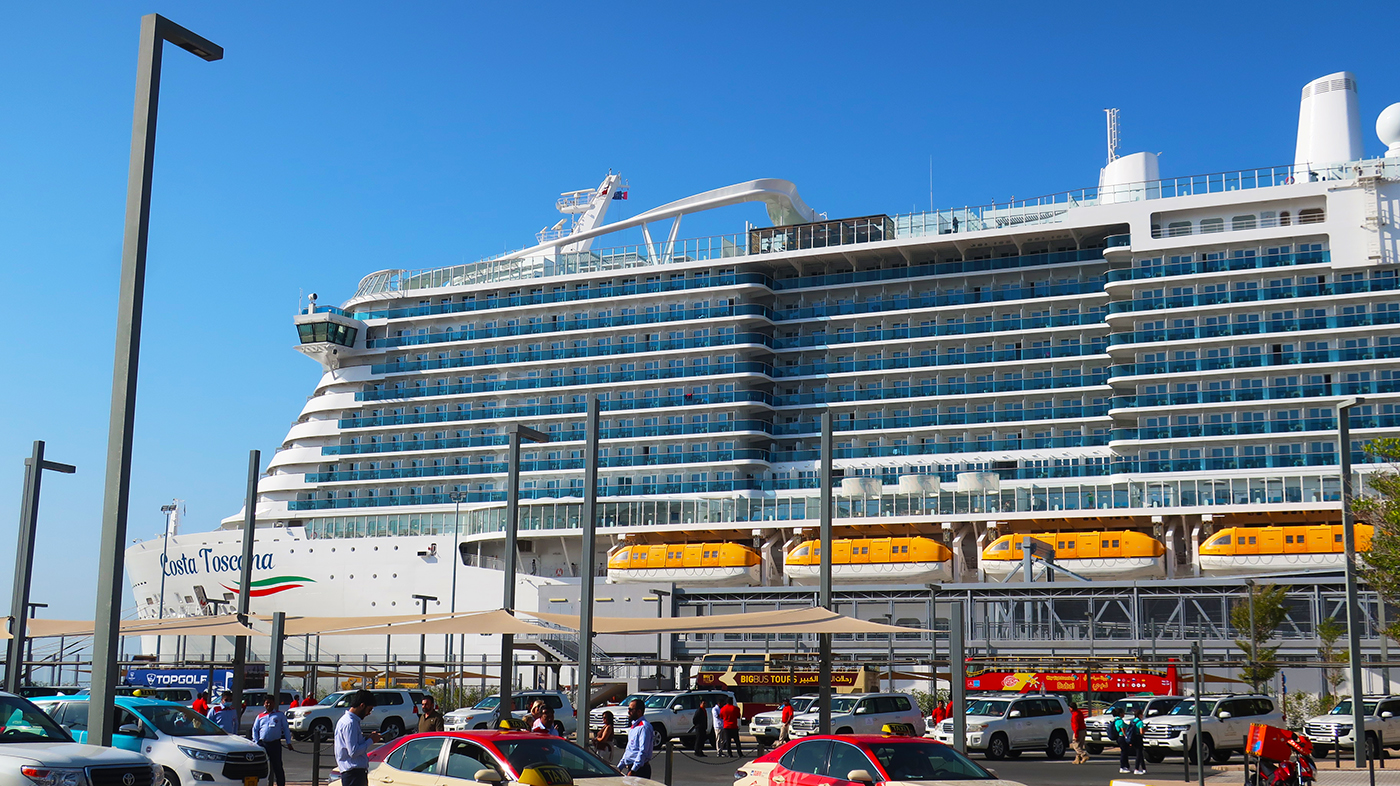
Costa has cancelled all of its UAE/Dubai itineraries for the winter, keeping Costa Toscana in the Mediterranean and canceling positioning cruises to Dubai.
AIDA Cruises cancelled Middle East sailings and re-routed AIDA Prima to Northern Europe and Canary Island itineraries.
Meanwhile Holland America Line and MSC Cruises have altered 2026 world cruise itineraries to avoid the Red Sea and Gulf. Volendam is turning its world into a Pacific circuit sailing north, focusing on Japan, and across the Bering Strait from Asia to Alaska and Central America.
MSC Magnifica has eliminated Egypt and the Persian Gulf from its world cruise, with a sailing around Africa that adds 12 days to the trip at no extra cost to guests.
And the new 5,800-guest MSC Euribia, which was to sail a grand voyage from Dubai through the Suez Canal to the Mediterranean, is now setting course for Europe around Africa without passengers. In its notice to guests, MSC Cruises said: “Considering that the ongoing geopolitical situation still does not allow us to guarantee a safe transit across the Red Sea and the Suez Canal, we have had to cancel MSC Euribia’s Grand Voyage from the United Arab Emirates that was due to depart in April 2026.”
Despite the withdrawals, TUI Cruises, and Celestyal Cruises are still sailing in the Arabian Gulf for the 2026 season, but say they’re keeping a focus on developments in the region.
Labadee is off the charts
Cruise visits to Labadee, Royal Caribbean’s private beach destination on Haiti, are now canceled for all of 2026. Royal Caribbean previously had previously extended a pause on Labadee visits through April. The private island off of Haiti’s northern coast featuring beaches, ziplines, an alpine coaster and aqua park are far from where gang activity continues in the country, but the company is extending it “out of an abundance of caution” and notifying guests..This extension brings the length of Labadee’s closure to more than a year and a half.
Tariffs make China a no-go
China has implemented a new port fee in retaliation for a similar port charge targeting Chinese cargo ships at U.S. ports. While the China fee was primarily aimed at American cargo ships, the Chinese government is extending the taxes to cruise ships from U.S. based companies.
The fees are extraordinarily high. For instance, Oceania Cruises’ Riviera would have had to pay $1.6-illion in port fees for a one-day stop in Shanghai in October. That would have translated to an additional $1,300 per guest just for the day visit. Instead, the ship went to Busan, South Korea.
“Due to recently enacted retaliatory regulations enacted by China, ships can no longer effectively visit mainland Chinese ports. We are therefore revising select itineraries to replace port calls in mainland China. We share in the disappointment of these necessary changes and are committed to providing our guests with itineraries that deliver exceptional destination experiences,” a spokesperson for the line told The Maritime Executive.
The fees are charged per net ton of the ship, They’re now at $56 a ton and are scheduled to increase to over $150 a ton by 2028 to counter similar fees the U.S. is charging Chinese vessels tying up on America. For a ship like Holland America’s Westerdam, the additional cost would be over $2-million, and HAL has cancelled the ships’s upcoming China visits. Regent Seven Seas Cruises also replaced Seven Seas Explorer’s planned three-day visit to Shanghai with a day at sea and visits to two Taiwanese ports.
So far, Hong Kong is not included in China’s port fee policy. And ships that are homeported in China are exempt. Royal Caribbean’s Spectrum of the Seas, which homeports in Shanghai and operates short sailings marketed to Chinese cruisers, is not affected.
Another international cruise ship homeporting in Shanghai is MSC Cruises’ MSC Bellissima. As MSC Cruises has its head office in Europe rather than America, its ships are apparently not be subject to the new port fees.
Story by Wallace Immen, The Cruisington Times