Carnival Corporation is defending the sustainability of cruising, saying not only has it met targets for cutting emissions early, it is raising its eco-friendly goals and will achieve them sooner.
The world’s biggest cruise company, with a portfolio of nine cruise brands, claims it has already achieved a previous goal of cutting emissions by 20 per cent from its 2019 fleet average.
Now it’s increasing the target by raising its goal for reduction in greenhouse gas emissions to 25 per cent by 2029. That comes from a combination of decarbonization and fuel efficiency investments, a move to LNG-powered ships and expanded connection to shore power while in ports.
Carnival Corp’s progress is detailed in its newly published 2025 Sustainability Report, subtitled Doing Business Responsibly from Ship to Shore. The efforts show up in the bottom line, as Carnival is on track to save roughly $650-million in 2026 alone versus 2019 operational costs, even though its fleet has grown by 25 per cent over that time.
Since 2008, the company has reduced its total greenhouse gas (GHG) emissions intensity by 44 per cent, meaning releases associated with each guest sailing have been cut roughly in half during that period.
“Achieving our 2030 GHG reduction goal five years early is a significant milestone that reflects years of disciplined investment, innovation and operational focus across our global fleet,” said Josh Weinstein, CEO of Carnival Corp. “But we’re not treating it as a finish line. Our new 2029 target ensures we’re continuing to improve every part of the equation, from using less fuel to advancing the tools, technologies and infrastructure that will help us lower emissions even further over time. That’s good for the planet, good for our business and gives us real confidence in the road ahead.”
To reach its 2029 target, Carnival Corp’s decarbonization strategy prioritizes lowering energy use with more efficient and cleaner fuels in the future.
Operational Improvements: Enhancements include smart itinerary planning and voyage optimization tools, help identify the most fuel-efficient routes and sailing patterns.
Technologies: Efforts that reduce energy demand include Power Saver Packs that reduce heating, air conditioning and lighting loads and waste heat recovery systems. Air bubbling systems along hulls also help ships move more efficiently through the water.
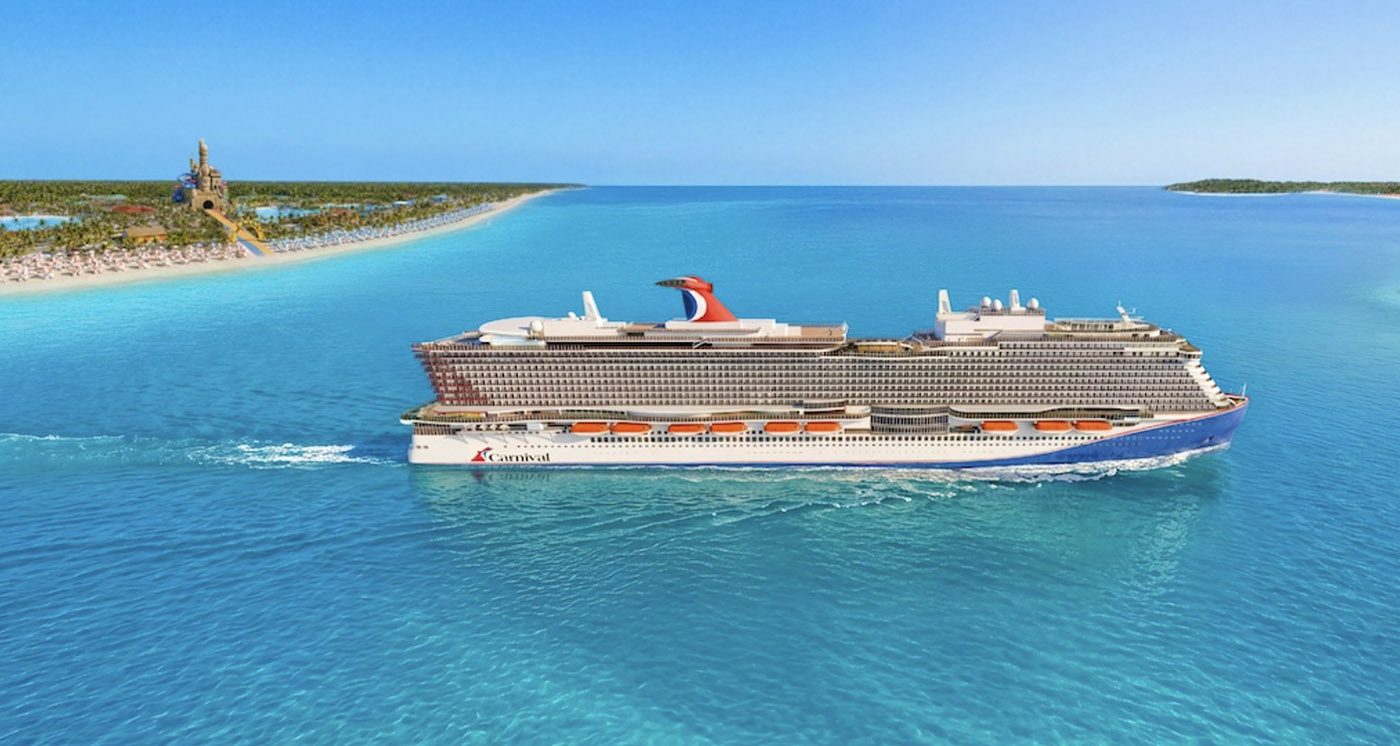
Some older, less efficient ships have been decommissioned and seven new ships scheduled to join the fleet through 2033 are expected to deliver more than 20 per cent greater efficiency per passenger than current ships.
Technology.: Carnival says no single approach alone can deliver net-zero greenhouse gas efficiencies, so it’s investing in a range of technologies. These includes a growing fleet of liquefied natural gas -powered ships, expanded shore power capabilities that allow ships to connect to local electrical grids while in port, increased biofuel use as more supply comes online and peak energy use reductions through battery storage systems
Carnival also says its decarbonization strategy is a cornerstone of a wider climate action program to make cruising more sustainable. This includes recycling, support for biodiversity and conservation efforts ashore and promotion of sustainable tourism.
Story by Wallace Immen, The Cruisington Times