
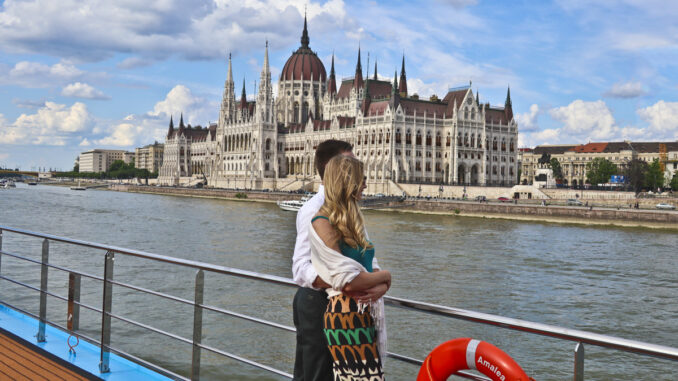
After a summer of historic drought in Europe, river cruising is still facing unprecedented stress.
Water levels across several sections of the Danube remain critically low and have not recovered sufficiently to restore normal navigation, Scenic Cruises and sister line Emerald Cruises reported in an October 1 alert. Navigation remains closed between Regensburg and Passau near Pfelling, and between Bratislava / Vienna and Budapest. Conditions between Bratislava and Vienna remain changeable, with some sections recovering and reopening intermittently.
On the Rhine and Main Rivers, low water conditions continue to affect sections between Cologne and Koblenz, Rüdesheim and Mainz, and near Mannheim.
“Water levels in some areas remain well below those required for normal river operations, with current rainfall insufficient to deliver a meaningful recovery,” Scenic reported. “Our nautical and operations teams continue to closely monitor water levels and navigation conditions. Based on current conditions and the limited rainfall forecast over the next two weeks, we do not anticipate a significant improvement in the immediate term.”
Other lines are equally affected. Viking’s September 30 update also reported changes to selected Danube, Elbe and Rhine itineraries. Its response can include transferring passengers and baggage around an affected stretch to an identical sister ship.
More than half of Viking’s European river-cruise days were affected by low water from mid-July through mid-August, company executives said during Viking’s second-quarter earnings call.
Meanwhile Riviera Travel reports its October Rhine departures are still being altered after two departures in September were cancelled completely.
AmaWaterways reports it remans optimistic that its ships are best able to cope because they’re built with a shallow draft. “Our innovative design allows them to continue sailing in shallower conditions that can restrict other vessels, extending our access to waterways where other ships may be unable to operate,” Ama says. Still, their cruises have used ship swaps over the summer as sections of rivers drop below what’s safe to operate.
As many as 12 per cent of passengers booked on river cruise itineraries over the summer ultimately canceled, according to industry site Seatrade Cruise News.
So, where does that leave guests planning future river cruises?
“The lesson from 2026 is not that we should stop cruising Europe’s rivers. It is that we should become more sophisticated about choosing them — and more careful about protecting the money we have invested in the trip,” notes Ralph Grizzle, publisher of the respected newsletter River Cruise Advisor. “Low water does not automatically ruin a river cruise. But it can change one substantially.” That means cruise-line contingency plans, ship design, communication and passenger protections deserve more attention when we’re choosing a cruise.
The ship itself is only part of the equation. You also need another ship in the right place. One of the most effective ways cruise lines dealt with the 2026 drought was the ship swap. Passengers leave one vessel to tour or travel around an unnavigable section and board another ship positioned on the other side. Their luggage is transferred for them.
That means a larger fleet is important. For instance, Viking has more than 80 nearly identical ships on Europe’s rivers, which makes swapping easier. AmaWaterways highlights that it has dozens of ships and alternative docking locations.
Avalon Waterrways also boasts its Suite Ship fleet is well suited to allowing substitutions when disruptions happen.
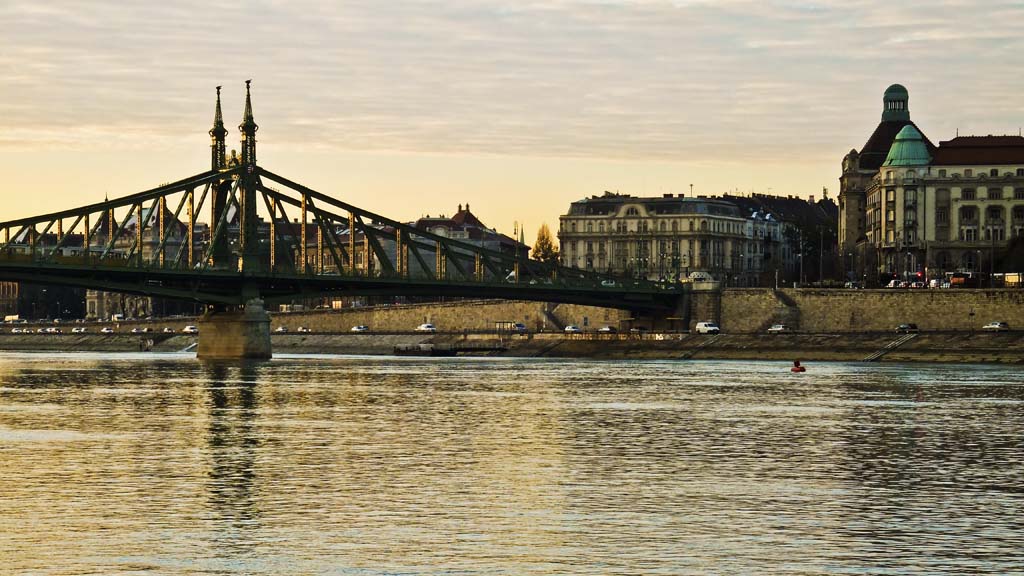
“A ship swap is still an inconvenience. But it can preserve far more of the river-cruise experience than several days spent traveling between hotels by motorcoach,” Grizzle notes. And it’s not just when water’s not there.
“I have experienced a ship swap myself, although not because of low water. Ice on the Main required us to change vessels in 2018. We left our luggage in the cabin, went sightseeing and returned to find it waiting aboard the replacement ship.It was handled so smoothly that I later nearly forgot it had happened. That is probably the best definition of a ship swap done well.”
Compensation remains a grey zone as cruise passengers report different outcomes from requests for refunds. Most lines have taken the position that Scenic outlined in its statement: “Any compensation for substantial disruption will be considered individually and communicated to affected guests.”.
In a survey by Cruise Critic, some travelers said they’ve received prompt refunds for cancelled cruises, while others were still waiting. Many questioned whether long bus rides and hotel stays were an equivalent substitute for the river cruise they purchased.
Communication is a big issue. In a River Cruise Advisor reader poll, more than 80 per cent of respondents said they could accept a well-managed ship swap to some degree. Some would be disappointed, but most considered it acceptable if the majority of the itinerary continued. The reaction was very different when changes involved extensive motorcoach travel, missed scenic cruising or hotel stays.
“The takeaway is increasingly clear: Travelers do not expect cruise lines to control the river. They do expect them to have a good plan,” Grizzle concludes.
And the thing to always remember is that 2026 was historic and the rivers are destined to fill again. In fact, for a few months in 2024 the challenge was high wateer levels that caused some ship swaps at places where vessels couldn’t pass under bridges.
There will be smooth sailing on the rivers in the future and dozens of new ships are on the way to meet a growing demand.
Story by Wallace Immen, The Cruisington Times






Be the first to comment