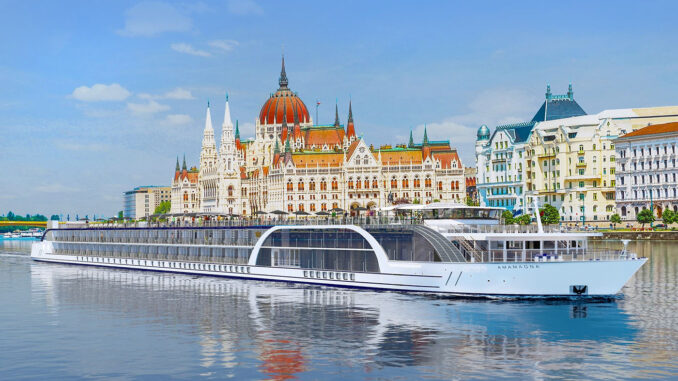
Soaring temperatures and drought that’s led to record low river levels in Europe are forcing cruise lines to adapt, with what some guests are calling “magical mystery cruises.”
As a heat wave continues, an extended drought as well as wildfires in Spain and France are forcing changes in itineraries and excursions.
Hungary’s water authorities report the Danube near Budapest were well below the previous record low water levels set eight years ago. The river is too shallow to sail around Budapest and Mohacs, Hungary, and Giurgiu, Romania.
Water levels on the Rhine have also fallen to low levels, impacting shipping, although recent rains have helped. With minimal rainfall, cruise ships can’t get past some shallows and some locks are closed temporarily. historic drought conditions on rivers have had an intriguing side effect: revealing medieval buildings, ancient bridges and Nazi shipwrecks.
The Netherlands has declared an official water shortage, raising its national drought response to Level 2. “Due to persistent drought, less water is entering our country via rain and rivers, while the demand for water is rising,” the Ministry of Infrastructure and Water Management said in a statement. Italy has also issued a drought alert in the Po River valley as mountain lakes hit record lows.
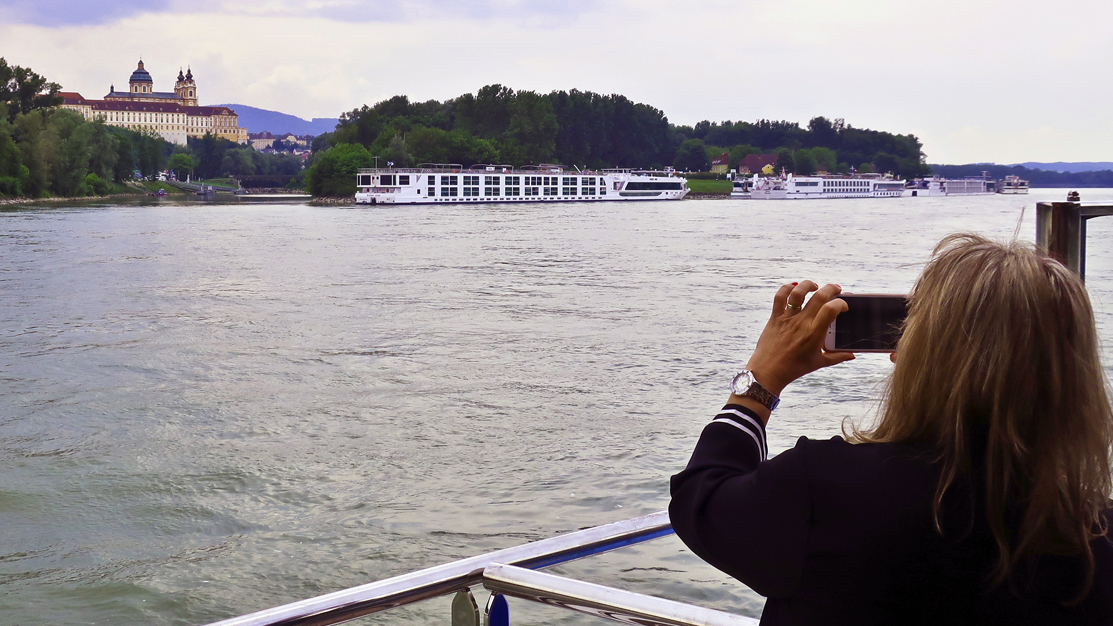
River cruise line teams are working around the clock to assess water levels and adjust itineraries, with some lines opting to swap ships and rely on motorcoach buses for travel when they can’t sail parts of the rivers. Industry news site Cruise Weekly reports the daily changes in plans are prompting some guests to dub their trips magical mystery cruises.
Lines with large fleets can avoid areas too shallow for their ships by moving guests from one ship to another to complete their itineraries. They note that water level issues are often short-lived. In 2024, high water levels on Europe’s rivers due to heavy rains altered itineraires because ships couldn’t navigate under low bridges.
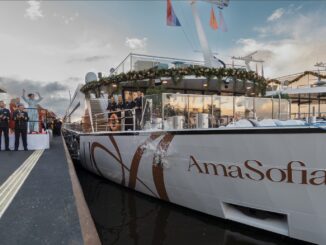
AmaWaterways makes every effort to alter cruises rather than cancel them outright, said chief operating officer Jon Burrows. The company’s ships have shallow drafts, which gives the vessels great flexibility on the rivers. But when low water levels are unavoidable, the line will alter the itinerary. The AmaWaterways team collaborates with local authorities, monitors weather reports and studies government hydrological data daily to determine the best path forward with the impacted rivers.
Avalon Waterways president Pamela Hoffee told Travel Weekly this summer has been the driest and most disruptive on Europe’s rivers since 2018. Though unexpected lodging, transport and operational costs are expensive, Hoffee said “doing the right thing isn’t always the least expensive thing, but it’s the right thing to do for our customers.”
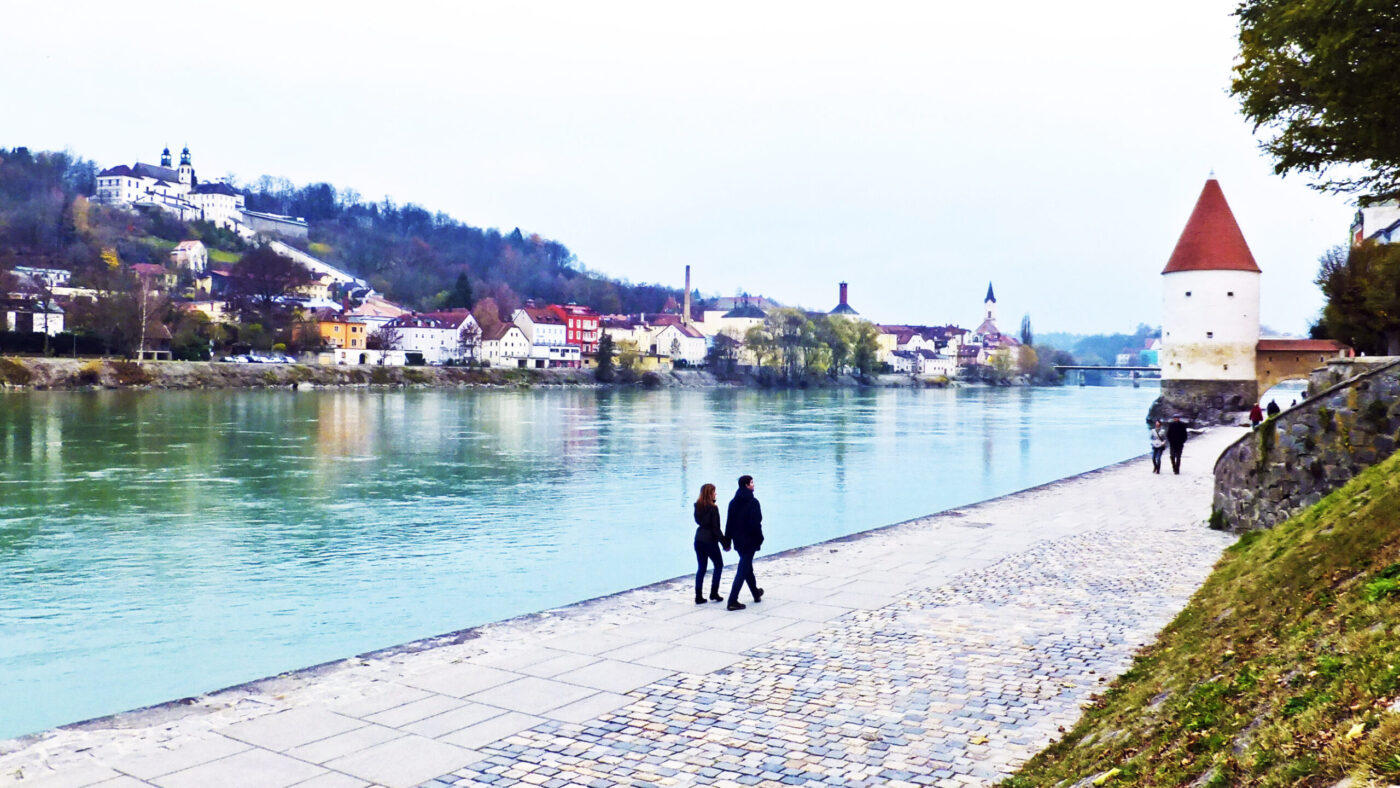
Scenic Group, which owns both Scenic and Emerald Cruises reported that a stretch of the Danube between Regensburg and Passau is a particular bottleneck. The lines are adjusting schedules through ship swaps and modified embarkation or disembarkation ports.
Tauck has adjusted a limited number of Rhine and Danube sailings, the brand said in a statement. Since Tauck offers land tours as well, the operator is positioned to lean on its landside operational experience and partners’ network, the line said. For example, guests on a Danube cruise began their sailing with a two-night stay at a hotel in Budapest before embarking. Passengers on the Rhine were transferred to a sister ship, allowing them to keep their same exact cabin and onboard experience.
Viking,, which has an expansive fleet of sister ships, is also relying on the swap method to overcome any disruptions spurred by water levels. Viking has issued future cruise vouchers for some disrupted itineraries — the company said more than 50% of cruise days in the third quarter have been affected as of mid-August — and the line expects to take a financial hit when the vouchers are redeemed in 2027 and 2028, said president and CEO Leah Talactac during an earnings call.
Though the true cost of the disrupted itineraries won’t be known until Viking reports annual earnings, “We believe this investment reinforces the trust that our guests place in Viking and supports the long-term loyalty that has been fundamental to Viking success,” she said.
River cruising may be only 10 per cent of the overall cruise industry, but it is growing at several times the rate of ocean cruising. One report said that European river cruising grew at eight percent in 2024 to reach 1.5 -million passengers. The industry trade group Cruise Lines International Association calculates that over the past decade, the river cruise market has grown at an rate of moroe than 10 per cent annually.
There are now more than 380 river cruise ships active in Europe, with as many as 60 more on order. Major companies, including Celebrity Cruises, are entering the market with five river ships on order.
Ama just released details on its second double-width river ship, AmaRudi, due to enter service in 2027 as one of the largest river cruise ships in Europe. AmaWaterways plans to add 15 ships in Europe in the coming years.
And Viking took delivery in June of two new river ships., Viking expects to add 22 additional river ships by 2028, bringing its river fleet to 114 in 2028.
Story by Wallace Immen, The Cruisington Times