
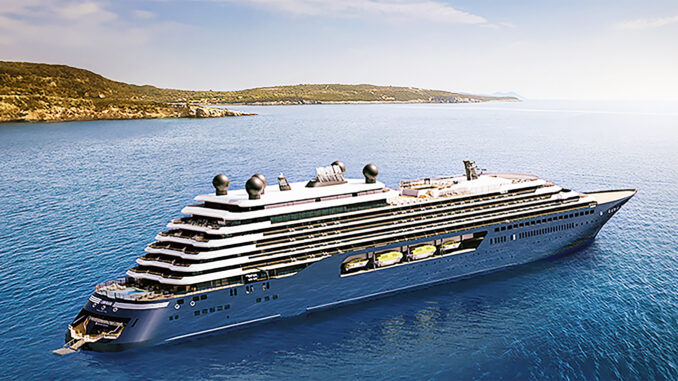
Ritz-Carlton, Four Seasons, Orient Express, Aman Resorts. Luxury hotel chains seem to have all decided at once to put their oars in the water with new small ships that promise the ultimate in comfort and personalized service.
The privacy of a personal yacht and gourmet meals prepared to order are designed to appeal to guests who don’t blink at daily fares that start higher than the cost of an entire week in a suite on a mainstream cruise line.
While these new posh cruises are receiving extraordinary praise, serious questions have to be asked about whether the pool of ultra-rich cruisers is big enough to keep all the new luxury yacht lines afloat.
An analysis on the travel website Insider Travel Report by luxury travel specialist Angela Hughes, CTC, who is CEO of Trips & Ships Luxury Travel, raises some knotty questions.
Sailing board Ritz-Carlton Yacht Collection’s Luminaria in Alaska in the summer, she found: “It was one of the finest sailings I have experienced in decades of working in luxury travel. The experience works. The more complicated question is whether the financial model behind hotel-branded yacht cruising works just as well.”
Here’s why. It was the peak of the Alaska season, but Luminara that could accommodate 452 guests in 226 suites was sailing with only 181 guests aboard for the 7 -day voyage. The fares started at approximately $10,400 per person for an entry-level suite, and could run up to $50,000 per for the Owner’s Suite.
And that’s the most affordable option in a flotilla of new ultra-yachts.
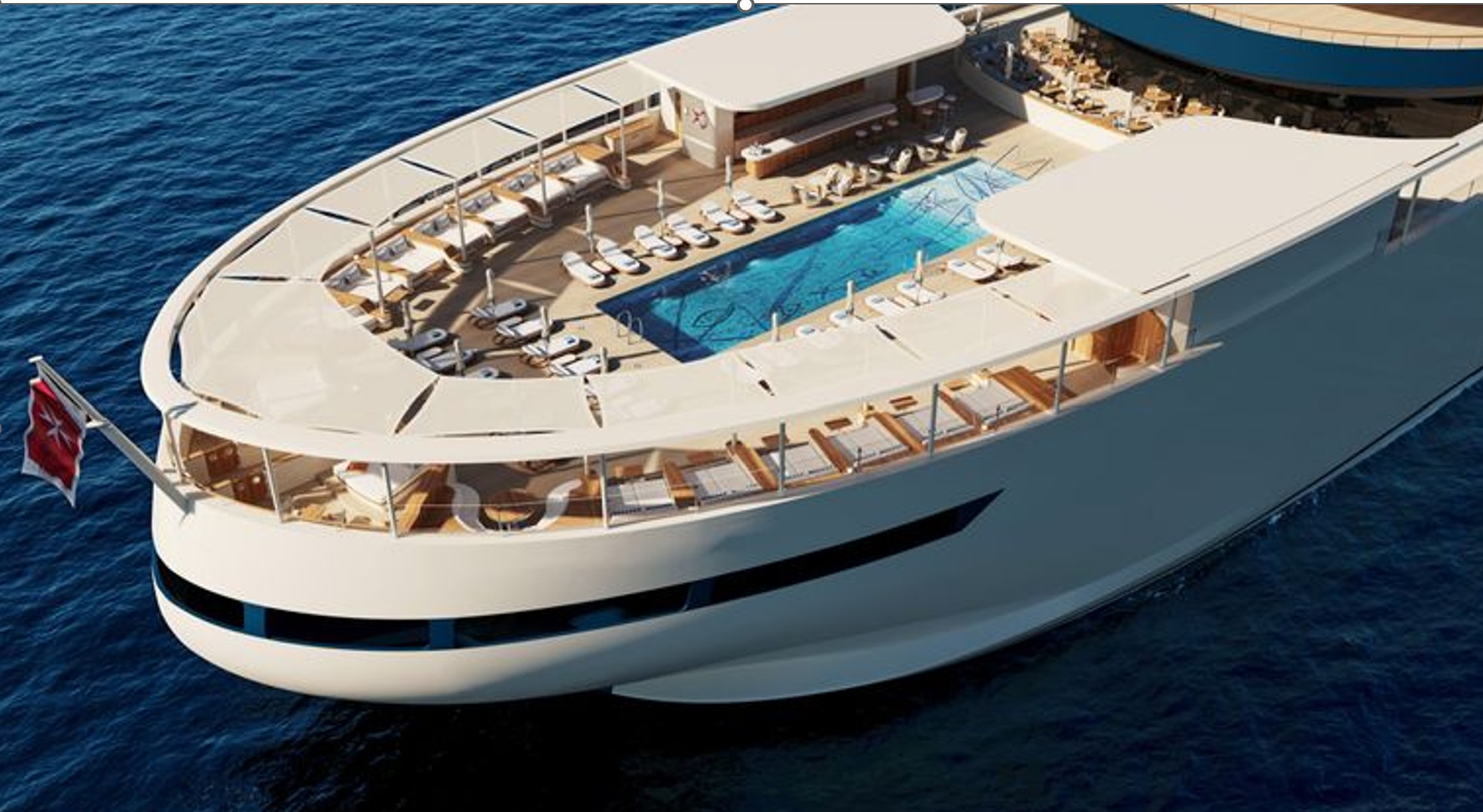
Four Seasons I began sailing in 2026 with 95 suites and an advertised one-to-one guest-to-staff ratio. Four Seasons II is scheduled to follow in 2028 with 79 suites. Fares start at $21,000 per suite for seven days, but they only include breakfast, while all other bar and restaurant choices are a la carte.
Orient Express Corinthian has 54 suites and is described by its builder as the world’s largest sailing yacht. Advertised fares begin at about $4,000 a night per person and can go much higher. But they are all -inclusive.
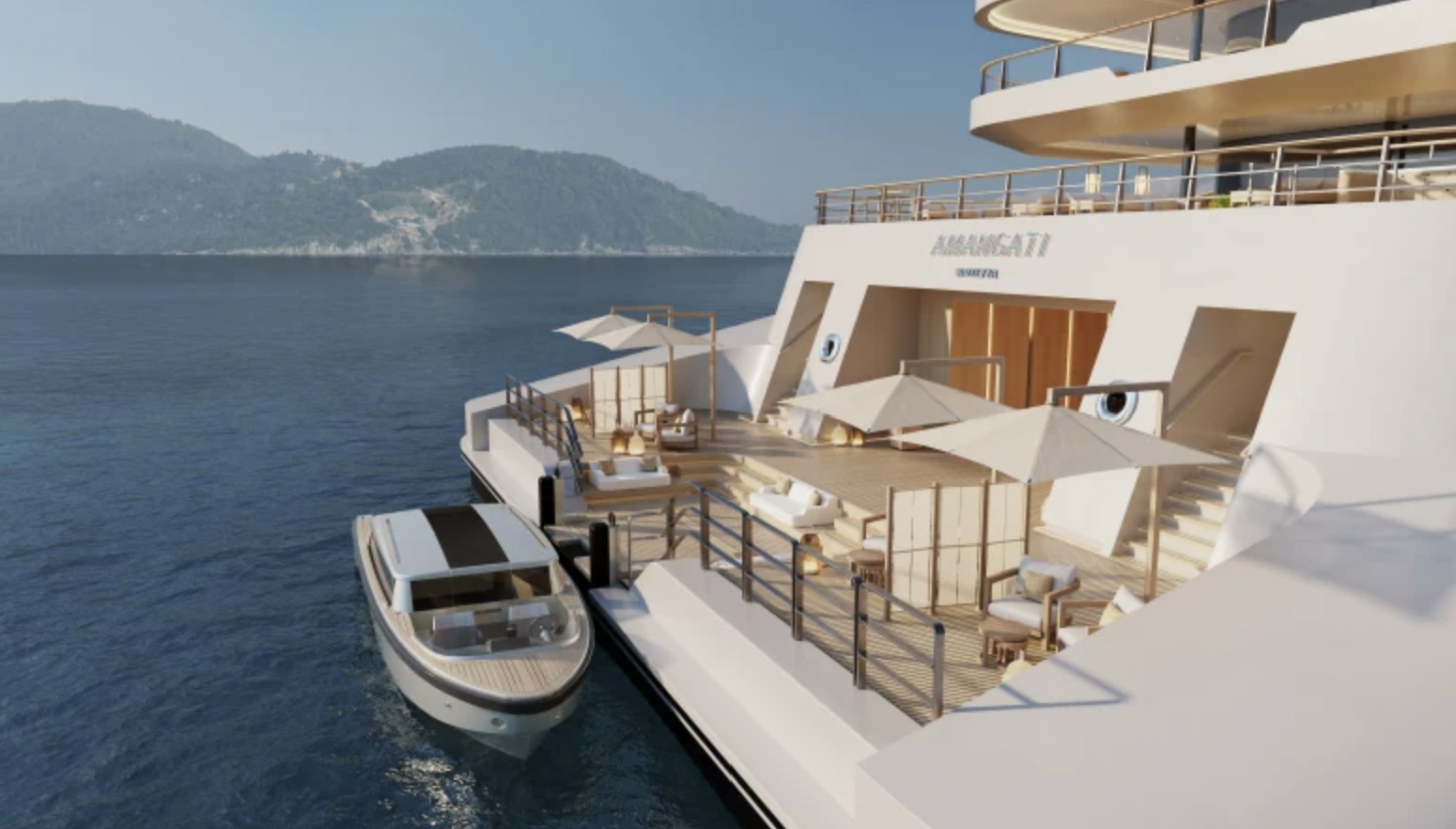
Aman at Sea plans to launch its Amangati in spring 2027, with capacity for 94 guests in 47 suites, with four dining venues and a two-story Aman Spa. Its advertised fares are over $7,000 per suite a night and go up from there.
“Each believes affluent travelers want the service of a great hotel, the privacy of a yacht and the convenience of traveling by sea. After sailing aboard Luminara, I believe they are right about the customer, ” Hughes found.
But, “I am less certain that every company has solved the economics. The short answer is that demand and pricing are growing, but the publicly available numbers do not yet prove that hotel-branded yacht cruising is sustainably profitable.”
Ritz-Carlton Yacht Collection’s first-quarter 2026 results reported by industry site Seatrade Cruise News showed the line’s revenue reached $97-million, an increase of 106 per cent for the quarter compared to 2025. Ticket revenue was $92.5 million. However, Ritz-Carlton Yacht Collection actually reported negative adjusted earnings before interest, taxes, depreciation and amortization of $18.8-million for the quarter. Bookings logged during the quarter for current or future travel reached $134-million, but they represent commitments and not immediate revenue, Hughes notes.
It’s important to recognize that the hotel name on the yacht does not necessarily mean the hotel company owns or operates the vessel. These operators use different combinations of ship owners, investors, operating companies and hotel-brand licensing agreements, Hughes adds.
The Ritz-Carlton Yacht Collection is privately held and licenses the Ritz-Carlton brand from Marriott International. It participates in Marriott Bonvoy, but the fleet of three ships is not owned and operated by Marriott. That distinction is important because a yacht operation could experience financial pressure even while the hotel brand is profitable and receives value from the relationship.
Occupancy is the central challenge: FT Lex, the Financial Times’ investment-analysis column, reported Ritz-Carlton Yacht Collection had only about 51 per cent occupancy during the first quarter of 2026. That figure helps explain why rapidly rising revenue has not yet translated into positive adjusted earnings.
A small yacht may command a much higher daily rate than a mass-market cruise ship, but it also has far fewer passengers across whom it can spread costs of fuel, crew, food, maintenance and port charges. FT Lex calculated that Ritz-Carlton Yacht Collection’s gross cruise costs per passenger per day were approximately five times those of Royal Caribbean at full capacity.
The long-term winners will have to protect the intimacy that makes these yachts special while increasing occupancy, controlling customer acquisition costs, generating repeat business and managing extraordinary capital requirements, Hughes cautions..
Luxury travel advisors will be important to that process, she concludes. “These products require more than a list of amenities and a price quote. Advisors must identify the clients who will recognize the value, match them to the correct suite and explain whether they are purchasing a hotel experience, a cruise experience or something in between.”
Luxury yachting is sustainable as long as enough high rollers learn to love life on the high seas.
Story by Wallace Immen, The Cruisington Times




Be the first to comment